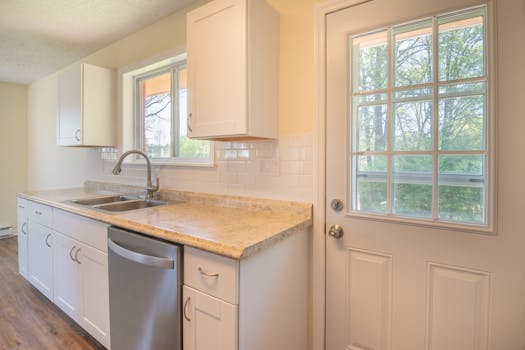

The kitchen floor. It’s the unsung hero of culinary endeavors, the silent witness to countless family gatherings, and often, the most heavily trafficked area in the home. When embarking on a kitchen remodel, the choice of flooring is far from a superficial decision; it’s a foundational one that impacts aesthetics, functionality, and long-term value. Many homeowners grapple with this critical juncture, overwhelmed by the sheer volume of options. But what if we approached this decision not as a daunting task, but as an intricate puzzle where each piece – durability, aesthetics, budget, and maintenance – fits precisely into place? Understanding how to choose the best flooring for a kitchen remodel involves a deep dive into material science, lifestyle considerations, and a dash of design foresight.
The Undeniable Impact of Kitchen Flooring on Daily Life
Think about it: spills from enthusiastic meal prep, the constant scuff of shoes, the occasional dropped pan. A kitchen floor endures more than most surfaces. It’s not just about looking good; it’s about performing under pressure. Selecting the wrong material can lead to premature wear, difficult cleaning, or even safety hazards. Conversely, the right flooring can elevate your kitchen’s usability, enhance its visual appeal, and even contribute to a quieter, more comfortable environment. It’s an investment that pays dividends in everyday living.
Deconstructing Your Needs: The Foundation of Smart Selection
Before you even glance at a sample tile or a wood plank, engage in some honest self-assessment. This is where the real work of how to choose the best flooring for a kitchen remodel begins. Consider these critical factors:
Lifestyle Demands: Are you a seasoned chef who’s constantly in the kitchen, or is it more of a casual gathering space? Do you have young children or pets whose activities might involve frequent spills or heavy wear? The more demanding your household, the more robust your flooring needs to be.
Budgetary Constraints: Flooring can range from budget-friendly vinyl to luxurious natural stone. Establishing a clear budget upfront will significantly narrow your options and prevent costly surprises down the line. Remember to factor in installation costs, underlayment, and potential subfloor preparation.
Aesthetic Vision: What is the overall style you’re aiming for? Modern, farmhouse, minimalist, traditional? The flooring is a significant design element and should complement your cabinetry, countertops, and backsplash.
Maintenance Tolerance: How much time and effort are you willing to dedicate to cleaning and upkeep? Some materials require regular sealing or special cleaning products, while others are remarkably low-maintenance.
Exploring the Contenders: A Comparative Analysis of Popular Kitchen Flooring Materials
With your personal criteria in hand, let’s examine some of the most popular and effective kitchen flooring options, dissecting their strengths and weaknesses.
#### 1. Tile: The Enduring All-Rounder
Ceramic and porcelain tiles are perennial favorites for a reason.
Durability & Water Resistance: Both are exceptionally resistant to water, stains, and scratches, making them ideal for the wet environment of a kitchen. Porcelain is denser and even more durable than ceramic.
Aesthetic Versatility: The sheer variety of colors, patterns, sizes, and textures available is astounding. You can mimic the look of natural stone, wood, or even concrete.
Maintenance: Generally easy to clean with a damp mop and mild detergent. However, grout lines can be a point of concern for some, requiring occasional sealing and more thorough cleaning.
Considerations: Can be cold underfoot, and dropped items have a higher chance of breaking. Installation can be more labor-intensive.
#### 2. Luxury Vinyl Plank/Tile (LVP/LVT): The Modern Marvel
Vinyl has come a long way from its linoleum roots. Modern LVP and LVT offer impressive realism and performance.
Exceptional Durability & Water Resistance: Highly resistant to moisture, stains, and wear, making it a practical choice for busy kitchens.
Realistic Aesthetics: Advanced printing techniques allow LVP/LVT to convincingly mimic the look and texture of natural wood, stone, and ceramic at a fraction of the cost.
Comfort & Warmth: Generally warmer and softer underfoot than tile, enhancing comfort.
Ease of Installation: Many options are click-lock systems, making them a more DIY-friendly choice.
Cost-Effectiveness: Offers a fantastic balance of performance and price.
#### 3. Natural Stone: Timeless Elegance
For those seeking unparalleled natural beauty, stone flooring is a compelling choice.
Uniqueness & Beauty: Each slab or tile is a one-of-a-kind work of art, adding significant aesthetic value and a sense of luxury.
Durability (with caveats): Materials like granite and slate are very hard and durable. However, softer stones like marble can be prone to etching and staining.
Maintenance: This is where stone requires careful consideration. Many natural stones are porous and require regular sealing to prevent stains and moisture damage. Regular cleaning with pH-neutral cleaners is essential.
Cost: Natural stone is typically one of the more expensive flooring options.
#### 4. Hardwood: Classic Warmth and Sophistication
The timeless appeal of real wood brings warmth and character to any space.
Aesthetic Appeal: Offers a classic, inviting look that never goes out of style. Can be refinished multiple times to address wear and tear.
Comfort: Warm and comfortable underfoot.
Durability (relative): Hardwood can be susceptible to scratches, dents, and water damage. Certain species (like oak and maple) are harder and more durable than others. Proper sealing and prompt spill cleanup are crucial. Engineered hardwood offers better stability and moisture resistance than solid hardwood.
Maintenance: Requires careful cleaning and is not ideal for areas prone to significant water exposure or heavy foot traffic without protective measures.
#### 5. Laminate: The Budget-Friendly Imposter
Laminate flooring is known for its affordability and ability to mimic other materials.
Cost-Effective: Generally one of the most budget-friendly options available.
Realistic Appearance: Modern laminate can achieve a convincing wood or stone look.
Durability (surface): The wear layer is quite resistant to scratches and fading.
Water Sensitivity: This is laminate’s Achilles’ heel. While some newer “water-resistant” options exist, standard laminate can swell and warp if exposed to significant moisture, making it a less ideal choice for kitchens where spills are common.
Beyond the Basics: Other Factors to Consider
When you’re truly focused on how to choose the best flooring for a kitchen remodel, don’t overlook these nuanced details:
Slip Resistance: Especially important in a kitchen environment. Look for materials with a good coefficient of friction (COF) or textured surfaces.
Underfloor Heating Compatibility: If you dream of warm feet on a chilly morning, ensure your chosen flooring material can accommodate an underfloor heating system.
Subfloor Condition: The condition of your existing subfloor will influence the type of underlayment needed and can impact installation costs.
Final Thoughts: Your Kitchen’s Foundation for Success
The journey of how to choose the best flooring for a kitchen remodel is about marrying your practical needs with your aesthetic desires. Don’t be swayed solely by trends; prioritize functionality, durability, and ease of maintenance for a space that will serve you well for years to come. Take your time, gather samples, and visualize them in your kitchen’s light. Ultimately, the best flooring is the one that seamlessly integrates into your life, enhancing both the beauty and the livability of your home’s heart.